Expert Tips for Storing Organic Fruits and Vegetables


Storing organic fruits and vegetables properly is essential to maintain their freshness, nutritional value, and taste. Unlike conventional produce, organic items are free from preservatives, making them more susceptible to spoilage. Here are some expert tips to help you extend the life of your organic produce.
Understanding the Basics
Before diving into specific storage techniques, it's important to understand a few basics. First, always store your produce as soon as you bring it home. Delaying this step can lead to premature spoilage. Second, remember to separate fruits and vegetables. Many fruits emit ethylene gas, which can cause vegetables to ripen and spoil faster.
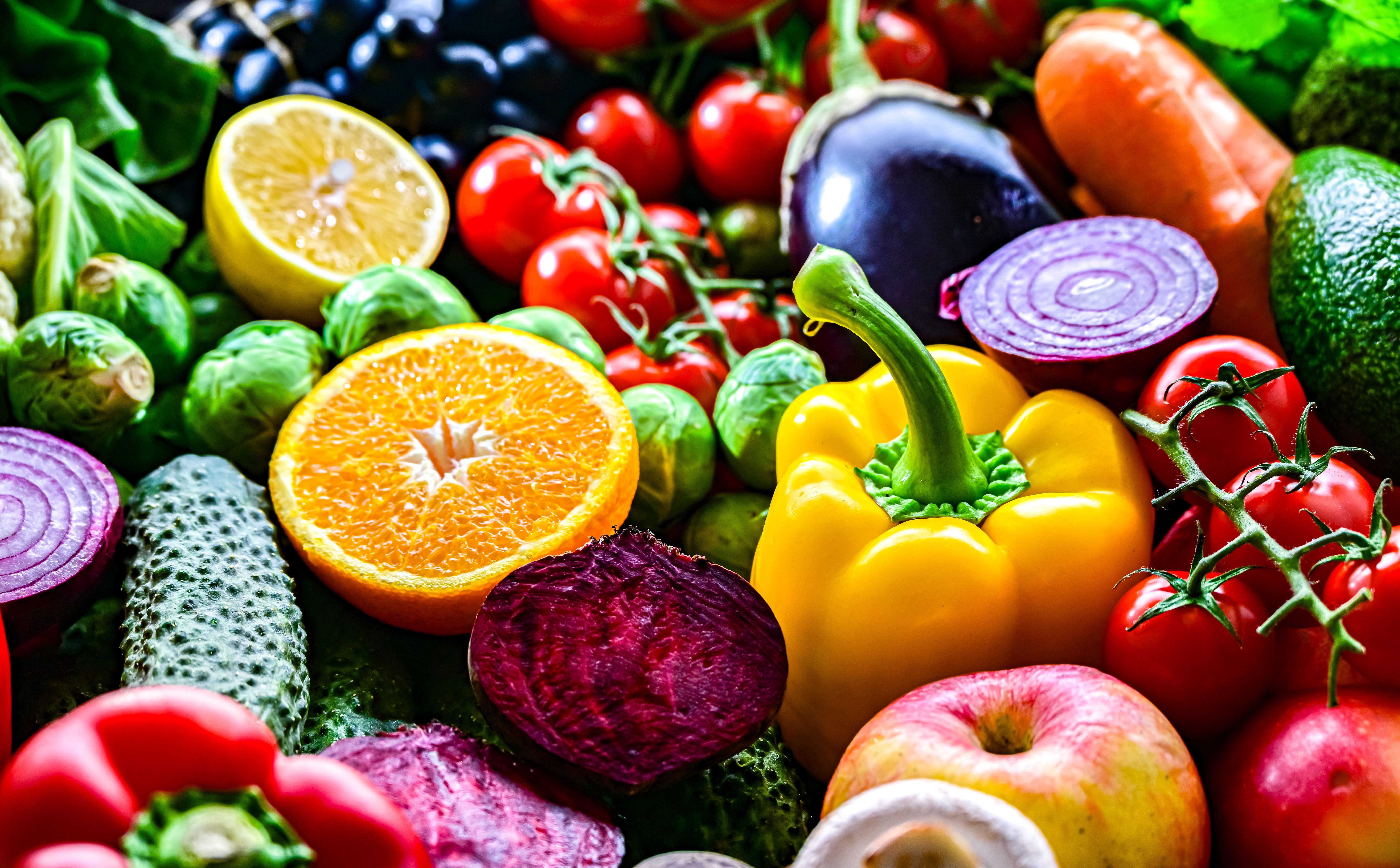
Refrigeration Tips
Most organic vegetables are best stored in the refrigerator. Here’s a quick guide:
- Leafy greens: Wrap in a damp paper towel and place in a perforated plastic bag.
- Root vegetables: Store in a cool, dark place, but if you prefer refrigeration, keep them in a plastic bag with holes.
- Cruciferous vegetables: Store in the crisper drawer, loosely wrapped in a plastic bag.
Fruits, on the other hand, often have varying needs. For example, berries should be refrigerated immediately, while bananas are best left at room temperature until ripe.
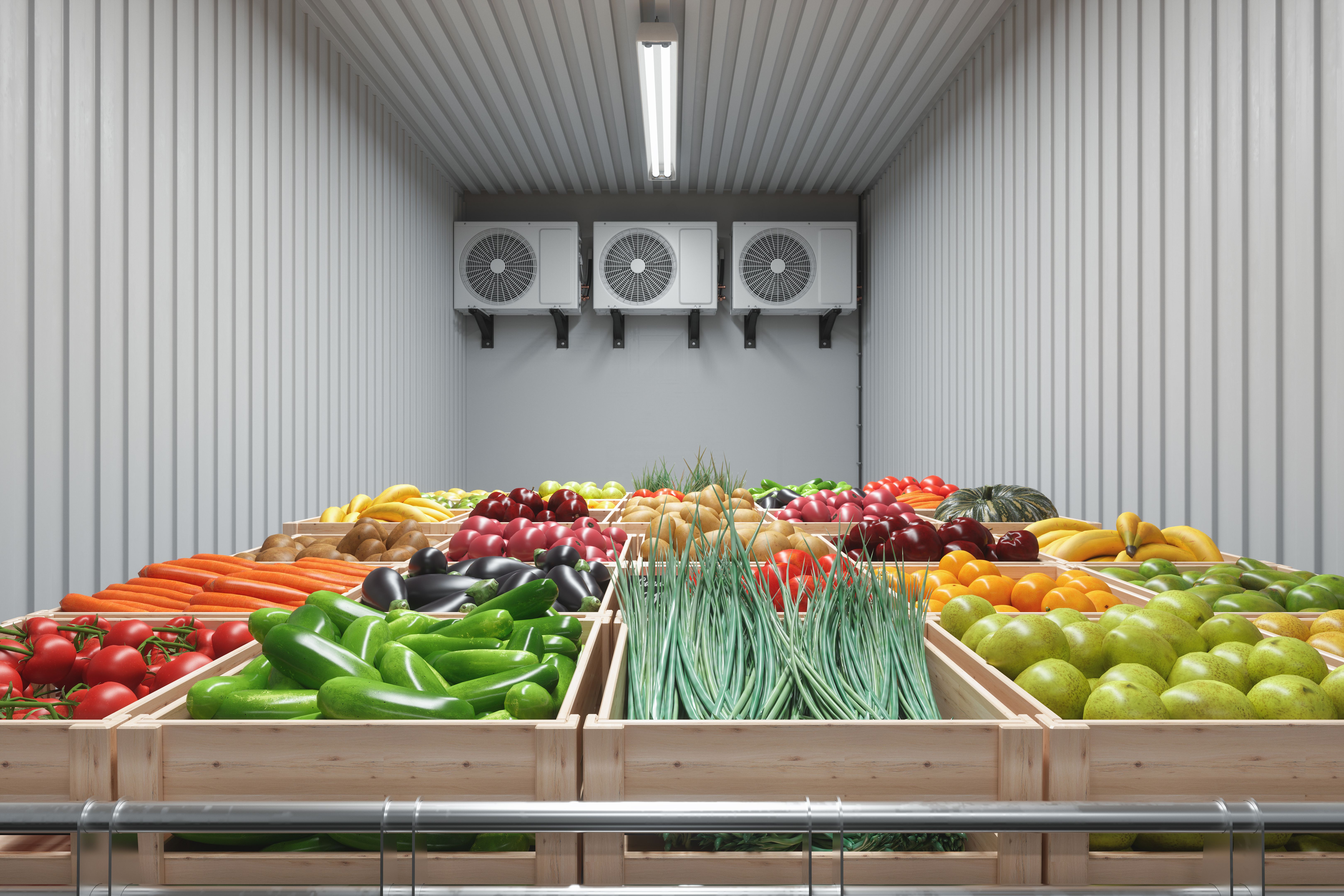
Room Temperature Storage
Some organic fruits and vegetables thrive outside the fridge. Tomatoes, onions, and garlic should be kept at room temperature. These items lose flavor and texture when refrigerated. Similarly, melons should be stored on the counter until ripe, after which they can be moved to the fridge to extend their life.
Counter Storage Tips
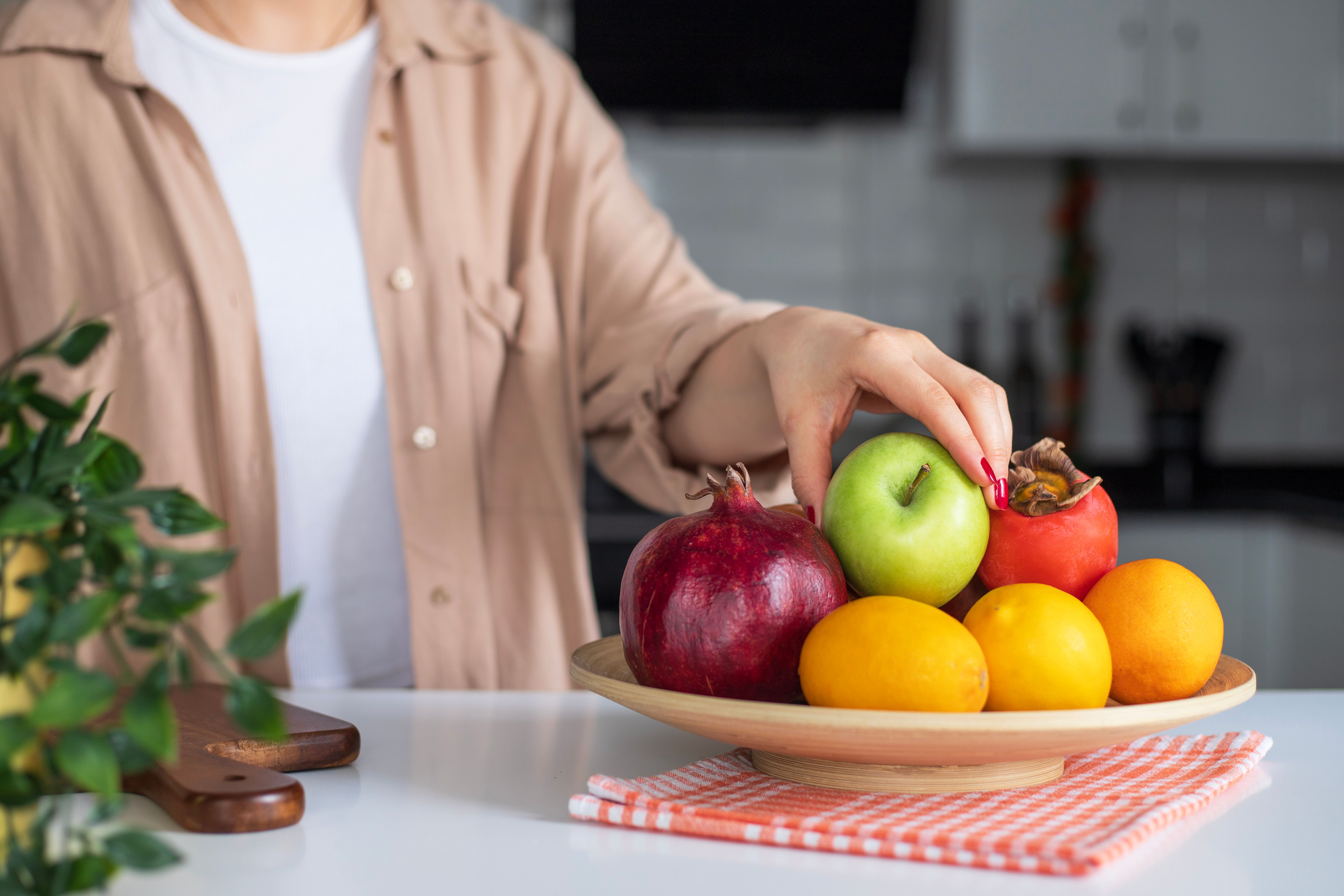
When storing items at room temperature, ensure they are kept in a well-ventilated area away from direct sunlight. Use a fruit bowl with an open design to allow air circulation. Avoid stacking fruits and vegetables too closely, as this can lead to bruising and faster spoilage.
Freezing Organic Produce
Freezing is an excellent way to extend the life of organic fruits and vegetables. Before freezing, blanch vegetables like broccoli, beans, and peas to preserve their color and nutrients. For fruits, wash and dry thoroughly before spreading them in a single layer on a baking sheet. Once frozen, transfer them to airtight containers or freezer bags.
Remember, not all fruits and vegetables freeze well. Leafy greens, for instance, are best consumed fresh or used in smoothies if frozen.
Using Proper Containers
Investing in proper storage containers can make a significant difference. Use glass or BPA-free plastic containers with airtight seals. For items like berries, opt for containers with ventilation to prevent moisture buildup.
Avoid storing produce in the original plastic packaging as it can trap moisture and cause spoilage. Instead, repurpose containers or bags designed specifically for produce storage.
Regular Monitoring
Regularly check your stored produce to ensure none of the items are spoiling. A single spoiled item can quickly affect others. Remove any overripe or damaged fruits and vegetables immediately. This not only prolongs the life of your remaining produce but also reduces waste.
By following these expert tips, you can enjoy fresh, flavorful organic fruits and vegetables for longer, ensuring that nothing goes to waste.