Understanding the Farm-to-Table Movement: A Hawaiian Perspective


Introduction to the Farm-to-Table Movement
The farm-to-table movement emphasizes sourcing food directly from local farms, ensuring freshness, sustainability, and a closer connection between consumers and producers. This movement has gained momentum worldwide, offering a more environmentally friendly and community-oriented approach to dining.
In Hawaii, the farm-to-table concept holds particular significance due to the islands' unique geography and agricultural practices. With a year-round growing season and diverse microclimates, Hawaii is an ideal location for producing a wide variety of fresh produce.
The Importance of Local Agriculture in Hawaii
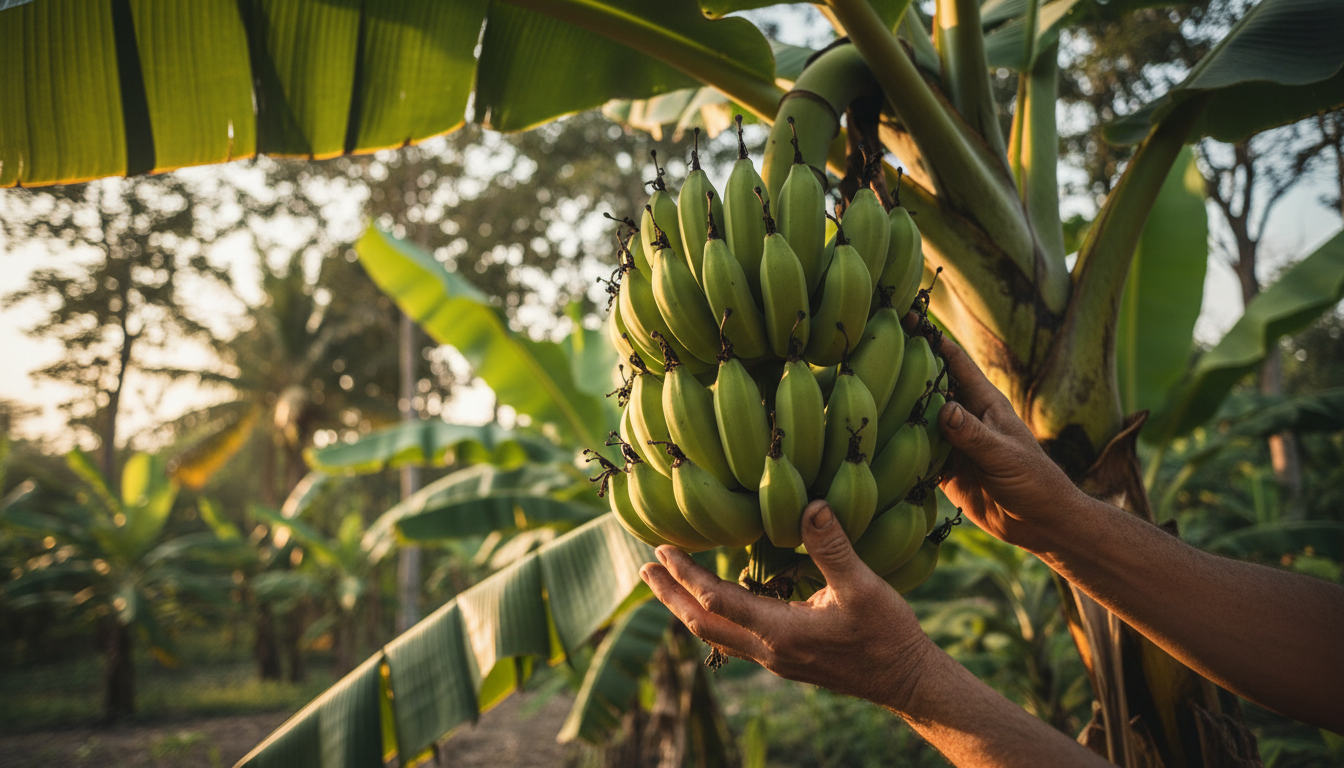
Hawaii's rich volcanic soil and favorable climate conditions allow for the cultivation of a wide range of crops, from tropical fruits to leafy greens. Supporting local agriculture helps maintain the islands' natural beauty and reduces reliance on imported goods, which can be costly and environmentally taxing.
By choosing farm-to-table dining, consumers contribute to the local economy, support family-owned farms, and promote sustainable farming practices. This approach fosters a sense of community and ensures that money spent on food stays within the local economy.
Benefits of Farm-to-Table Dining
The farm-to-table movement offers numerous benefits, including:
- Freshness: Food is harvested at its peak, ensuring optimal flavor and nutrition.
- Sustainability: Reduced transportation decreases carbon emissions and supports eco-friendly farming techniques.
- Health: Access to freshly harvested produce encourages healthier eating habits.

Challenges and Solutions
Despite its advantages, the farm-to-table movement in Hawaii faces challenges such as limited land availability, high operational costs, and the risk of natural disasters. However, innovative solutions are emerging to address these issues.
For instance, community-supported agriculture (CSA) programs enable consumers to purchase shares of a farm's harvest, providing farmers with upfront capital and reducing financial risk. Urban farming and vertical gardening are also gaining popularity, maximizing space and resources.
Farm-to-Table Experiences in Hawaii
Hawaii offers a variety of farm-to-table experiences, from farmers' markets to fine dining establishments that prioritize local ingredients. These venues showcase the islands' agricultural bounty, offering dishes that highlight the unique flavors and textures of homegrown produce.

Whether enjoying a meal at a beachside cafe or a high-end restaurant, diners can savor the distinct taste of Hawaii's farm-fresh ingredients, knowing they are supporting local farmers and sustainable practices.
Conclusion
The farm-to-table movement in Hawaii is more than just a trend; it's a way of life that emphasizes sustainability, community, and health. By choosing local, fresh, and seasonal produce, consumers can enjoy delicious meals while supporting the islands' agricultural heritage.
As more people embrace this movement, the positive impact on Hawaii's economy, environment, and community continues to grow, ensuring a bright future for generations to come.