Why Local Foods Are on the Rise in Hawai‘i


The Growing Popularity of Local Foods in Hawai‘i
Over the past few years, there has been a significant surge in the demand for local foods in Hawai‘i. This trend is not just a fleeting fad but a noteworthy shift towards sustainable and community-focused consumption. Understanding the reasons behind this rising popularity can shed light on its importance for both the local economy and the environment.

Support for Local Farmers
One of the primary reasons for the increased interest in local foods is the desire to support local farmers. By purchasing locally grown produce, consumers are directly contributing to the livelihood of local agricultural communities. This support helps to sustain farming practices that are often more environmentally friendly and tailored to the specific needs of Hawai‘i’s unique ecosystems.
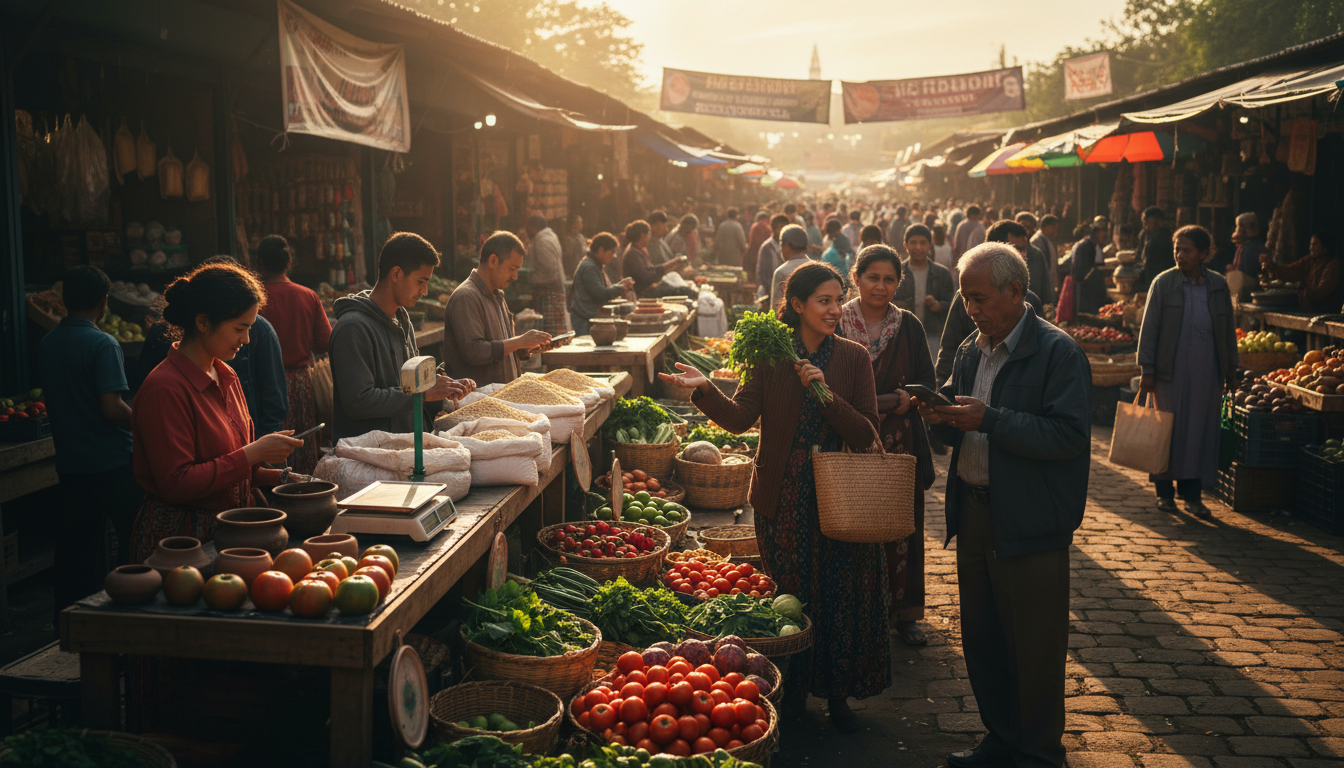
Local farmers markets have become bustling hubs where residents and visitors alike can purchase fresh, in-season produce. These markets not only provide access to high-quality food but also foster a sense of community and connection.
Environmental Benefits
Choosing local foods also offers significant environmental benefits. Transporting food over long distances results in a considerable carbon footprint. By opting for locally sourced products, consumers can reduce their environmental impact. This shift is crucial for an island state like Hawai‘i, where sustainability is a growing concern.
Embracing Hawaiian Culture and Traditions
Local foods are deeply intertwined with Hawaiian culture and traditions. Many residents are eager to reconnect with their roots through traditional dishes and ingredients. This cultural resurgence is reflected in the popularity of local foods, which often include indigenous crops such as taro and sweet potatoes.
Restaurants and chefs are increasingly incorporating these traditional ingredients into their menus, offering a taste of authentic Hawaiian cuisine that celebrates the islands' rich heritage.

Health and Nutrition
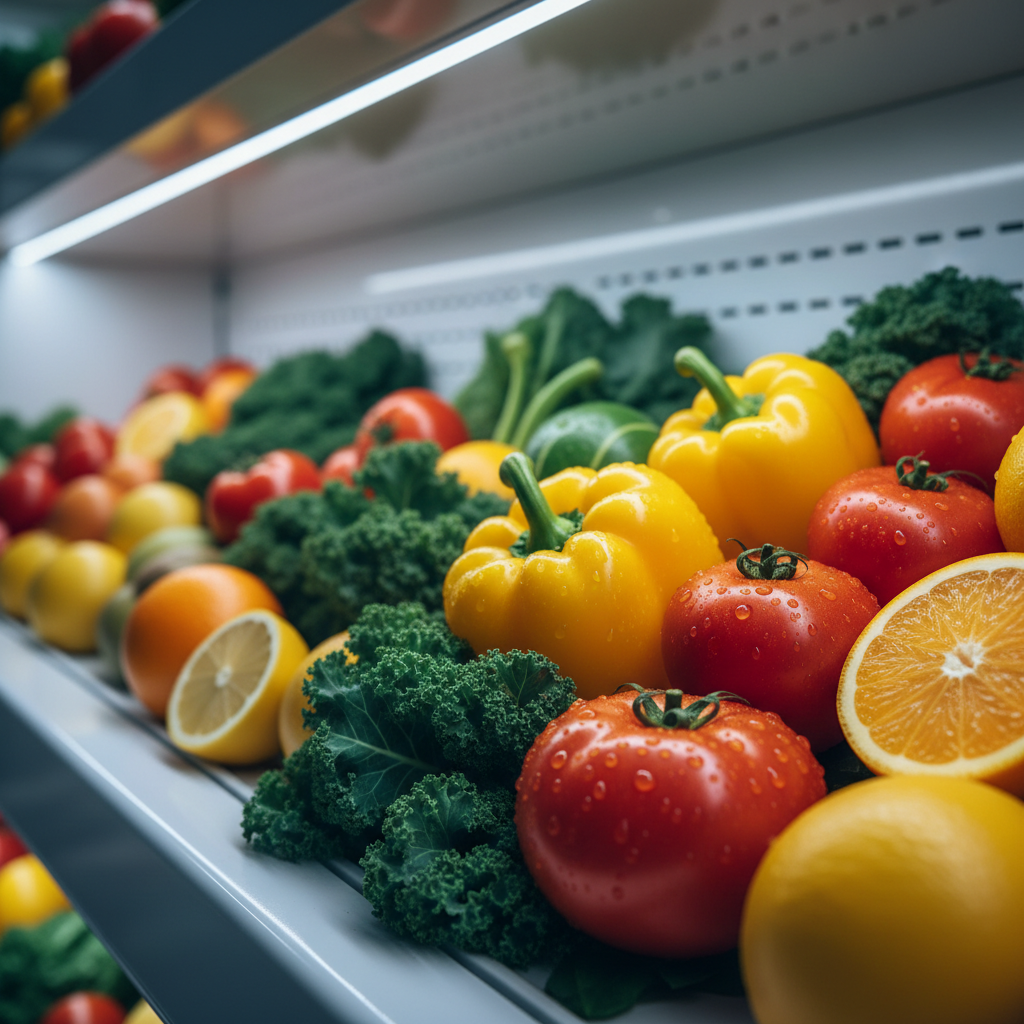
Another factor contributing to the rise of local foods is the growing awareness of health and nutrition. Locally sourced foods are typically fresher and more nutritious, as they are harvested at peak ripeness and have not undergone long transportation or storage times. This freshness translates to better-tasting and more healthful meals.
Consumers are becoming more conscious of the benefits of eating fresh, whole foods, and local produce fits perfectly into this healthier lifestyle trend.
Economic Impact
The economic impact of supporting local food systems cannot be understated. When consumers buy local, more money stays within the community, boosting the local economy. This economic boost can lead to more job opportunities and increased investment in local agricultural infrastructure.
Challenges and Opportunities
Despite the many benefits, there are challenges to increasing local food consumption, such as higher costs and limited availability of certain products. However, these challenges also present opportunities for growth and innovation within the local food industry.
Collaborative efforts between farmers, government bodies, and consumers can help overcome these obstacles, creating a more robust and resilient local food system in Hawai‘i.
Overall, the rise in popularity of local foods in Hawai‘i is a positive trend that aligns with broader movements towards sustainability, health, and cultural appreciation. By embracing local foods, Hawai‘i is paving the way for a more sustainable and connected future.